
The Trail of Tears began in 1830 after the passage of the Indian Removal Act, signed by President Andrew Jackson.
The Trail of Tears began in 1830 after the passage of the Indian Removal Act, signed by President Andrew Jackson.
The Trail of Tears refers to the forced displacement over 60,000 Native Americans from their ancestral homelands in the Southeastern United States to designated Indian Territory west of the Mississippi River.
Start Date: The process began in 1830 with the Indian Removal Act.
Tribes Affected: The “Five Civilized Tribes”—Cherokee, Muscogee (Creek), Seminole, Chickasaw, and Choctaw—were the primary groups targeted.
Cherokee Removal: The most infamous phase occurred in 1838, when the Cherokee were forced west after gold was discovered in Georgia. This march is most closely associated with the name “Trail of Tears”.
Duration: Removals continued until about 1850, involving multiple routes over land and water.
Impact: Roughly 13,000–16,000 Native Americans died from disease, starvation, and exposure during the journey.
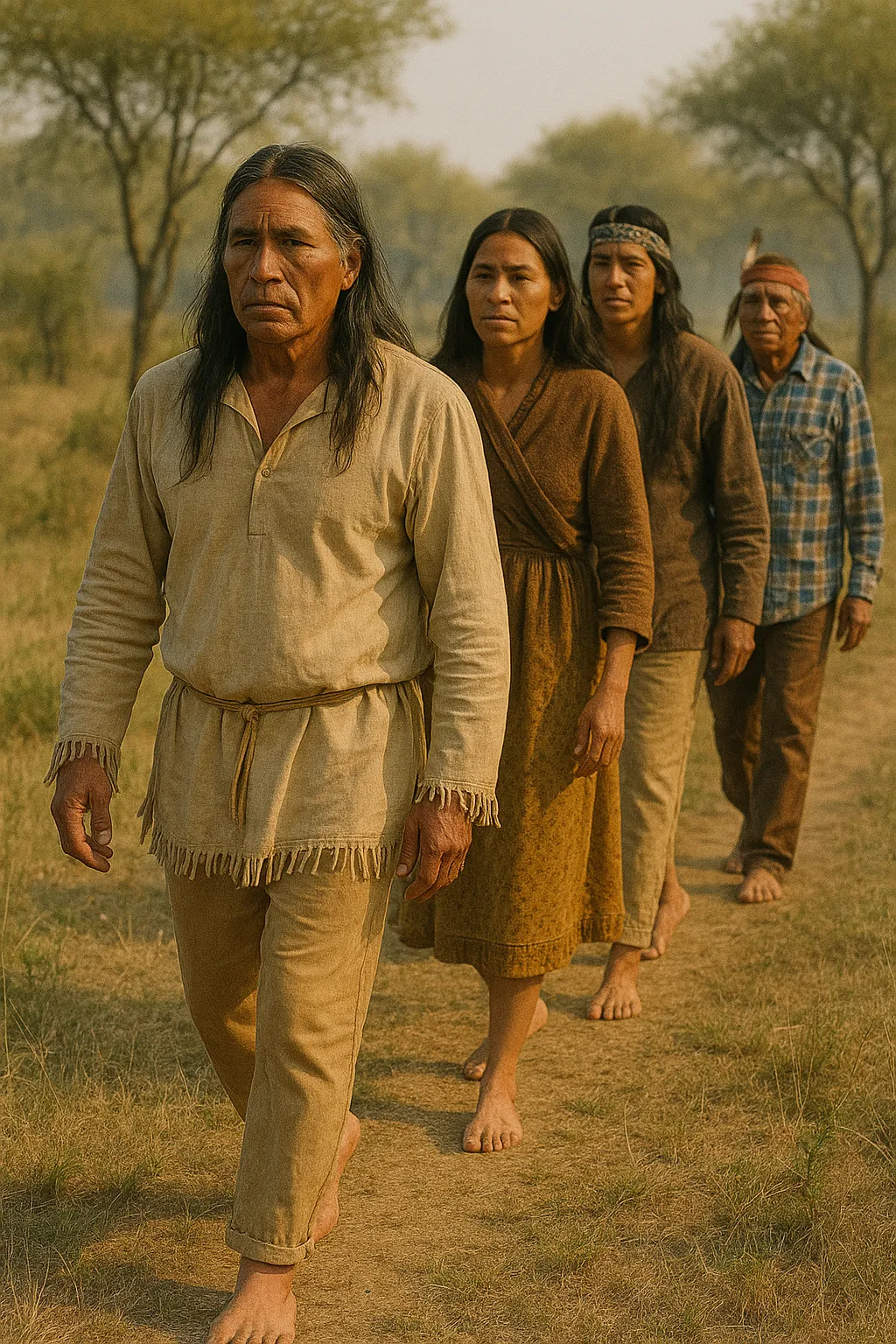
The Trail of Tears refers to the forced displacement over 60,000 Native Americans from their ancestral homelands in the Southeastern United States to designated Indian Territory west of the Mississippi River.
Start Date: The process began in 1830 with the Indian Removal Act.
Tribes Affected: The “Five Civilized Tribes” Cherokee, Muscogee (Creek), Seminole, Chickasaw, and Choctaw were the primary groups targeted.
Cherokee Removal: The most infamous phase occurred in 1838, when the Cherokee were forced west after gold was discovered in Georgia. This march is most closely associated with the name “Trail of Tears”.
Duration: Removals continued until about 1850, involving multiple routes over land and water.
Impact: Roughly 13,000–16,000 Native Americans died from disease, starvation, and exposure during the journey.
Why It Began
Indian Removal Act (1830):
Authorized the federal government to negotiate removal treaties, extinguishing Native land claims in the Southeast.
Motives:
White settlers wanted fertile land for cotton farming, and the discovery of gold in Cherokee territory intensified pressure.
Federal Enforcement:
The U.S. Army and state militias carried out the removals, often violently.
Why It Began
Indian Removal Act (1830):
Authorized the federal government to negotiate removal treaties, extinguishing Native land claims in the Southeast.
Motives:
White settlers wanted fertile land for cotton farming, and the discovery of gold in Cherokee territory intensified pressure.
Federal Enforcement:
The U.S. Army and state militias carried out the removals, often violently.
Significance
The Trail of Tears is remembered as a tragic chapter in U.S. history, often described as ethnic cleansing or genocide. It symbolizes both the resilience of Native peoples and the devastating impact of expansionist policies.

Significance
The Trail of Tears is remembered as a tragic chapter in U.S. history, often described as ethnic cleansing or genocide. It symbolizes both the resilience of Native peoples and the devastating impact of expansionist policies.
Personal / Community Invitation
The Trail of Tears began in 1830 with the Indian Removal Act, intensified in 1838 with the Cherokee removal, and unfolded over a decade of hardship and loss for Native American nations.
This coming spring, hundreds of us will gather for a bus tour through the nine states touched by the Trail of Tears, taking place May 24 – June 1, 2026. We warmly invite you to join us on this journey of remembrance, fellowship, and reflection.
Personal / Community Invitation
The Trail of Tears began in 1830 with the Indian Removal Act, intensified in 1838 with the Cherokee removal, and unfolded over a decade of hardship and loss for Native American nations.
This coming spring, hundreds of us will gather for a bus tour through the nine states touched by the Trail of Tears, taking place May 24 – June 1, 2026. We warmly invite you to join us on this journey of remembrance, fellowship, and reflection.
FOLLOW US


GENERAL INFO
CUSTOMER CARE
LEGAL
Wall Street II Tulsa North Foundation, Inc. (WSII) is a 501(c)(3) nonprofit organization advancing economic justice, community wealth, and cultural legacy through education and community-led initiatives.
Copyright 2026. Wall Street II Tulsa North Foundation Inc.(WSII) All Rights Reserved.